The Tiny Genius: Desert Beetles and the Secret of Drinking Air
The Question That Started It All
Have you ever looked at a creature and just thought, “Wait, how does that work?” That’s me, every time I see a picture of the Namib Desert. It’s one of the harshest places on Earth. Nothing survives without a genius-level hack.
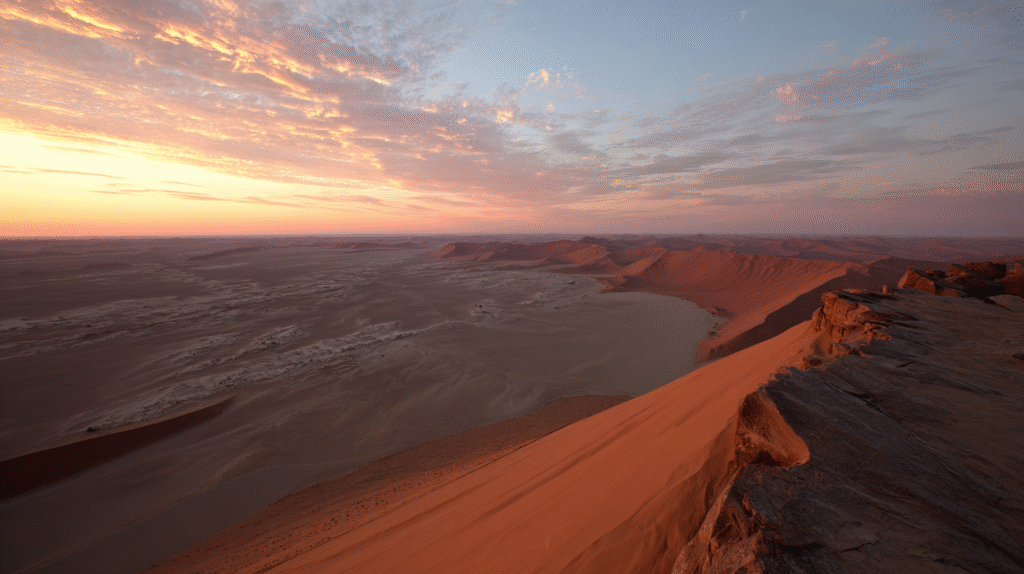
Imagine a tiny creature that can literally drink the air. Seriously, it’s like something out of a science fiction movie! But deep in that blazing, bone-dry desert, tiny beetles are doing it every morning, turning thin fog into their personal water bottle. This isn’t just survival; it’s Design Excellence.
Let’s dive into nature’s ultimate zero-energy life hack.
The arid enigma: nature’s tiny master engineers
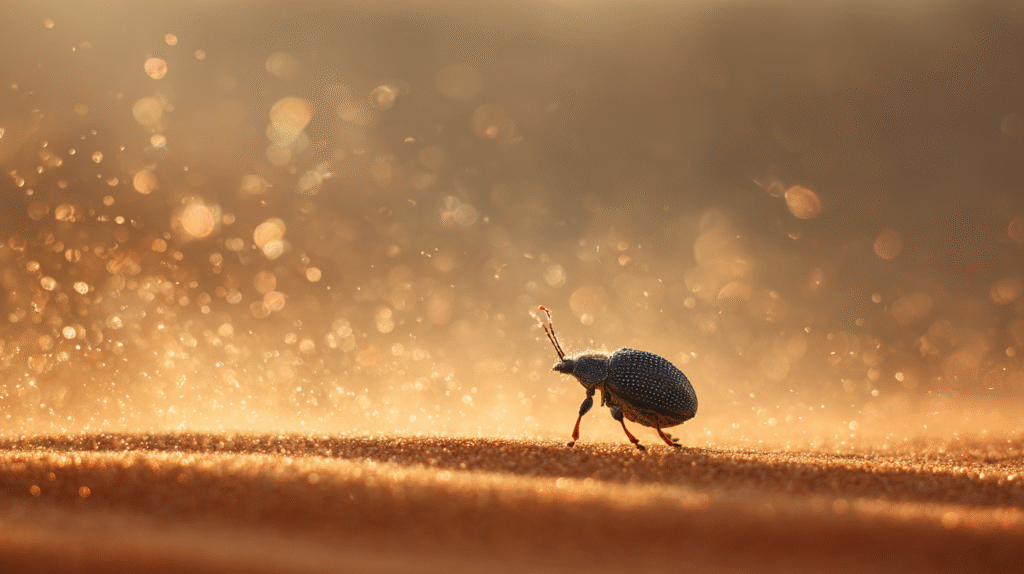
The desert is brutal. Most animals there just wait for water, trying to hold onto every drop (we’re looking at you, camels!). But the Namib Desert Beetle (Stenocara gracilipes) said, “No, thank you. I’ll make my own.”
This beetle’s secret isn’t a buried well or a giant reserve. It’s their shell, it’s a masterwork of micro-architecture, and also, a bit of a fashion statement!
The Mimétique Code: a shell built for rain
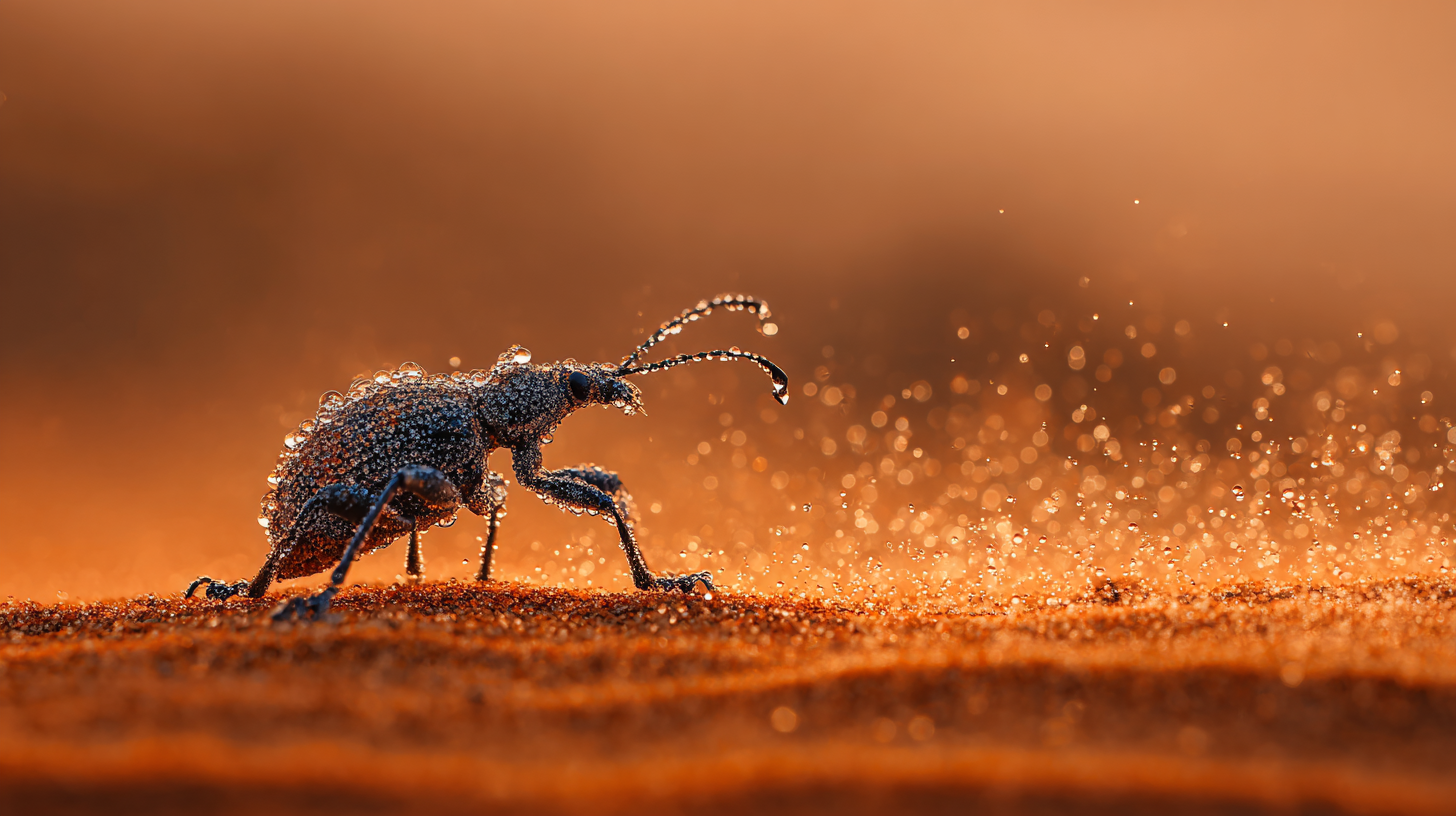
When the fog rolls in early in the morning, the beetle climbs a dune and performs the ultimate yoga pose: a perfect headstand. This is its fog-basking ritual.
- The Look: The shell is covered in tiny, sophisticated bumps.
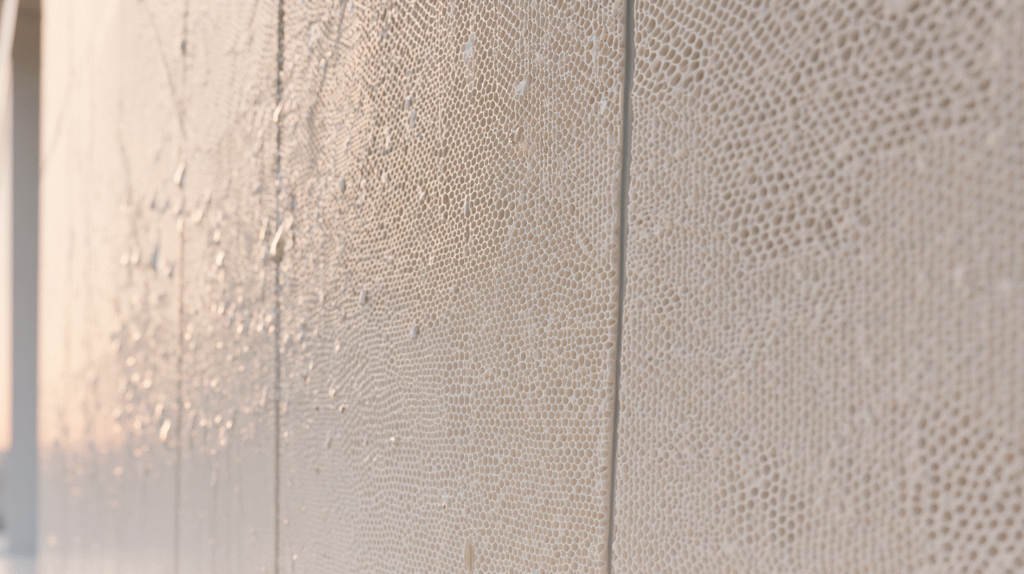
- The Hack: These bumps are hydrophilic (they love water). The troughs between them? They are hydrophobic (they hate water).

The microscopic fog droplets hit the shell and stick instantly to the water-loving bumps. They grow bigger and bigger. Suddenly, they’re big enough to ignore the tiny bumps, and the water-hating channels take over, acting like tiny gutters. They funnel the pure, clean water straight down to the beetle’s mouth.

It’s completely passive. It requires zero energy. It’s just seems like a flawless piece of Bio-Engineering.
Beyond survival: a blueprint for our future
When you realize how much water this tiny surface collects, you have to ask: Why do our trillion-dollar systems seem so inefficient?
The beetle gives us a powerful Design Mandate for our own built environment.
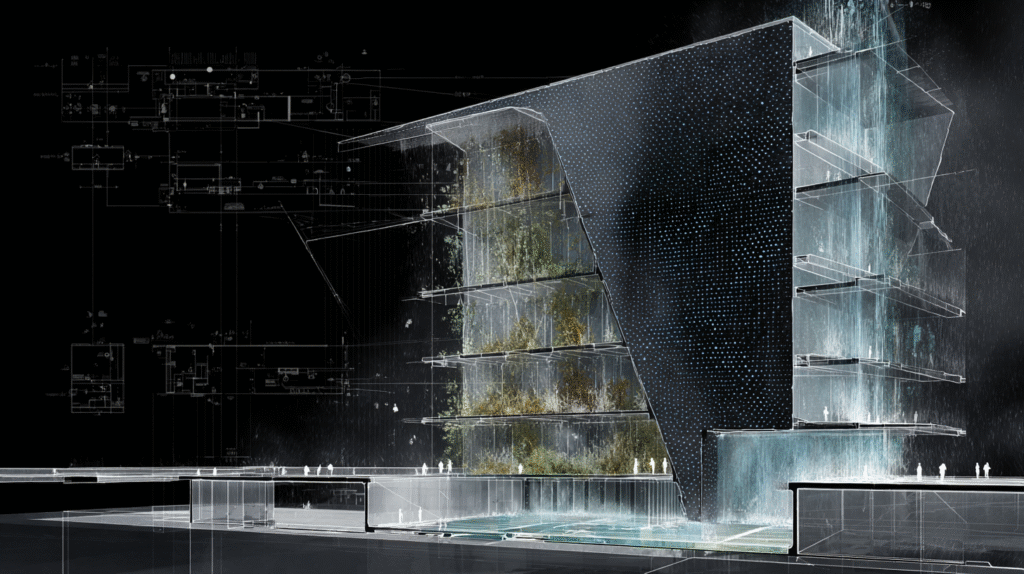
Innovation Idea: The Zero-Energy Water Façade
Forget expensive pumps and massive, centralized desalination plants. Let’s build like the beetle!
- The Idea: We could design Beetle-Inspired Cladding for buildings. This is sustainable architecture that works for us.
- The Engineering: We use the same hydrophilic/hydrophobic pattern on building façades and cooling towers.
- The Result: The entire building exterior becomes a passive water harvester, collecting atmospheric moisture and channeling it into the building’s gray water systems. In humid coastal cities, the building literally self-waters.
The strategic leap: humility in HVAC
But here’s the biggest win: Air Conditioning!
Imagine using this captured water inside the façade. The mere act of letting that water evaporate passively can cool the intake air for a building’s ventilation system. This is evaporative cooling powered by nature’s own water source.
This single, simple adaptation, learning humility from a tiny insect, could dramatically reduce a building’s reliance on power-hungry, traditional AC. It’s how we move beyond consuming resources to actually regenerating them.
This little beetle reminds me that the world’s best solutions are never complex or brute-force. They are always elegant, effortless, and already explored by Naturemimétique. The only question left is, how fast can we translate the code?
Disclaimer: This content is for informational and educational purposes only and reflects conceptual analysis, not professional engineering or financial advice.
The Mimétique Code in Motion: Watch our deep dive into the desert beetles and their secret!
Leave a Reply