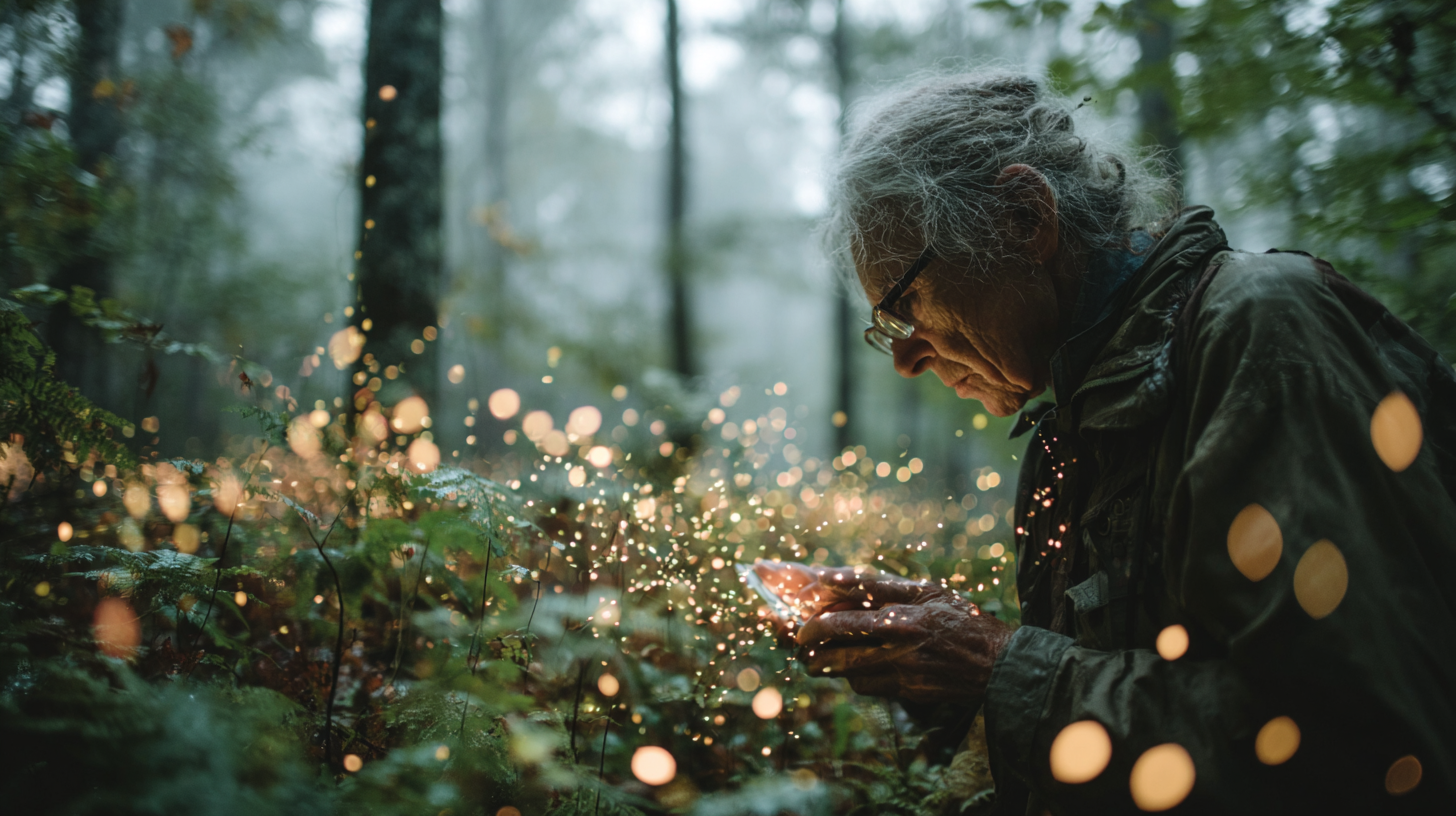
What if the future of lighting wasn’t about bulbs, but about biology?
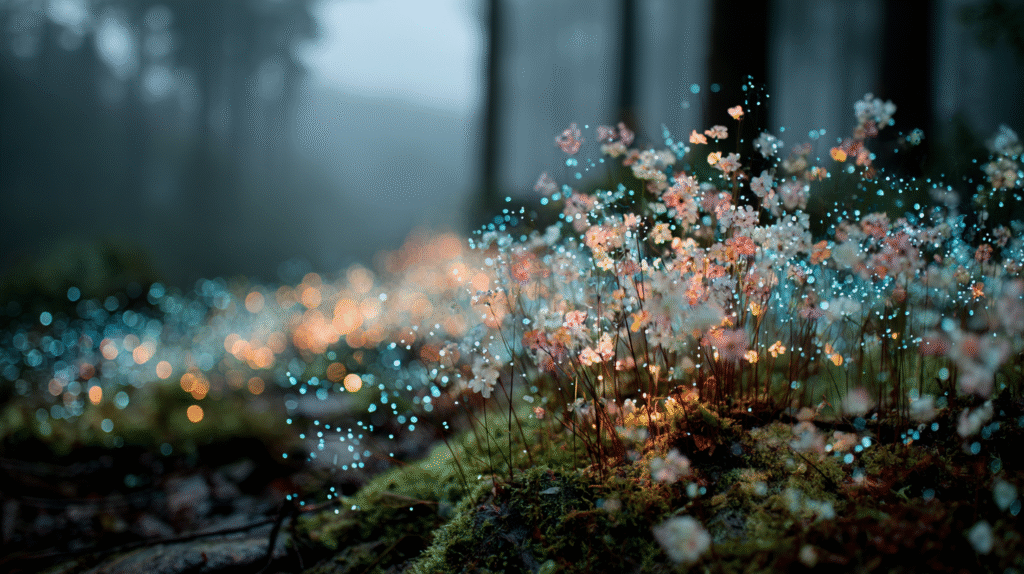
Prepare to be amazed by the ultimate “cold light” innovation that living creatures have been perfecting for millions of years. Now, this is far more than pretty lights. Instead, we are unlocking nature’s profound genius. We are discovering how organisms produce their own captivating illumination, a phenomenon that could inspire tomorrow’s technology.
Imagine a world where light isn’t just external, but is shining within living beings. The result is a truly silent, spectacular show. So, we are diving deep into the world of bioluminescence. For instance, how organisms make their own light and why it’s nature’s ultimate energy efficiency mandate! From the deepest oceans to firefly-filled forests, prepare to see light in a whole new way.
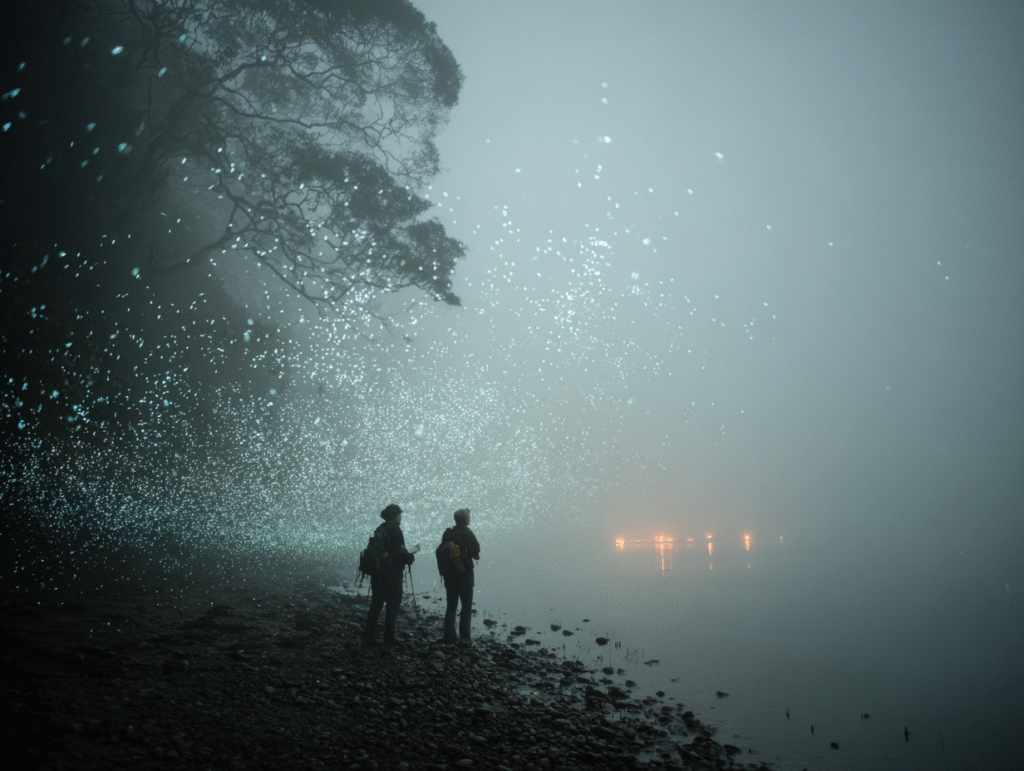
The Chemistry of cold light: a Mimétique dissection
Have you ever stopped to wonder how light is made? It all comes down to chemistry, but what happens in nature is truly astonishing.
At the heart of bioluminescence is a reaction of pure, elegant efficiency. Think about a standard light bulb: it seems to be wasting over 90% of its energy as heat. It’s a beautiful failure. But nature? It achieves light production with virtually zero energy loss.That is the Mimétique Code for illumination.
The process itself feels like a miracle of minimal design. It is remarkably simple:
- Luciferin: The initial fuel source.
- Luciferase: The precise enzyme that acts as the perfect spark.
- Oxygen: The final trigger.
When these three meet, the chemical energy is released entirely as light, a clean photon. This cold light is sheer genius. It’s the ultimate lesson in efficiency that industrial engineering is still striving to master.
Masters of deception and attraction
Here’s the secret: nature doesn’t light up just for show; every glow is a high-stakes, strategic communication. Organisms have perfectly designed these systems to survive, hunt and reproduce.

Take the creatures of the deep, for example.
- Deep-Sea anglerfish: They live in crushing, eternal darkness. So, what’s their strategy? They use a glowing lure, a microbial lantern, to draw unsuspecting prey right to them. This is engineered attraction at its most lethal.
- Fireflies: Above the surface, they speak the universal language of light. They engage in elaborate, species-specific patterns for mating rituals. However, that flash must be precise. A perfectly timed light is the difference between finding a mate and attracting a predator.
- Bioluminescent Bacteria: Even the tiniest organisms are brilliant strategists. These bacteria form complex, symbiotic relationships, often living in the light organs of fish and squid. Why? It’s used for sophisticated camouflage (called counter-illumination) or for vital communication.
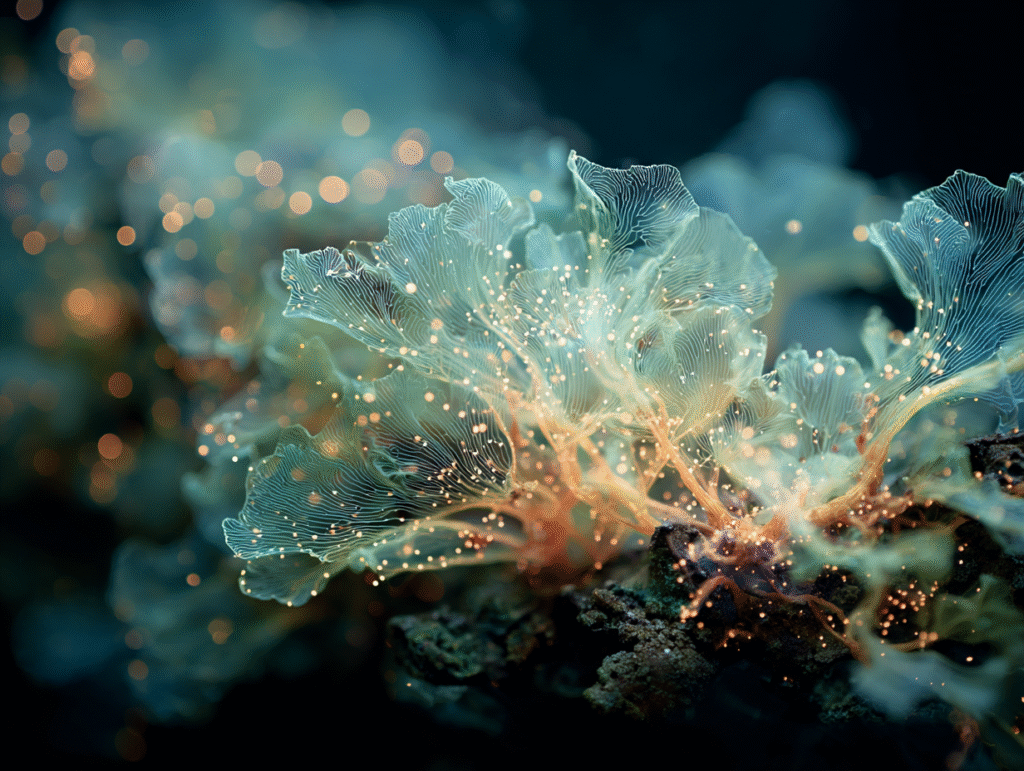
This world of living light shows us that design is always about function, strategy, and survival.
Beyond the glow: why light up?
The function of light dictates its design. Organisms leverage bioluminescence for critical, life-sustaining mandates:
- Defensive Mechanisms: Many squid and deep-sea shrimp will release a blinding cloud of glowing fluid to startle or distract a predator, creating a “burglar alarm” effect that buys them time to escape.
- Camouflage and Counter-Illumination: In the twilight zone of the ocean, some organisms glow on their underside to precisely match the faint sunlight filtering down from above. This counter-illumination makes their silhouette invisible to predators looking up from below.
- Communication: Unique flash patterns serve as biological signatures, allowing species to recognize each other in the immense blackness of the ocean or the night forest.
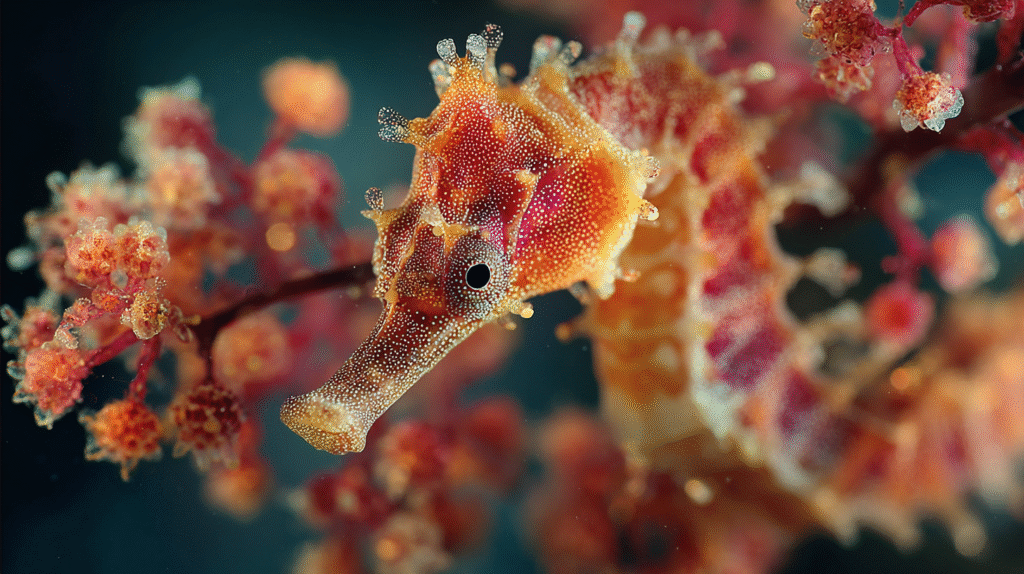
The future is luminous
The efficiency of bioluminescence presents a profound Design Mandate for the future of sustainable design. We are moving beyond just admiration and into actionable application.
- Medical Applications: Luciferase is already used widely in laboratories to make cells glow. This allows researchers to track diseases, monitor gene expression, and observe the delivery of new drugs in real-time, essentially turning biological processes into a visible data stream.
- Bio-Inspired Lighting: Imagine non-toxic, energy-free illumination systems for urban spaces. Researchers are working to design bioluminescent bacteria to illuminate “smart street lamps” or internal architectural elements, providing light that is truly zero-carbon and modeled entirely on nature’s flawless production cycle.
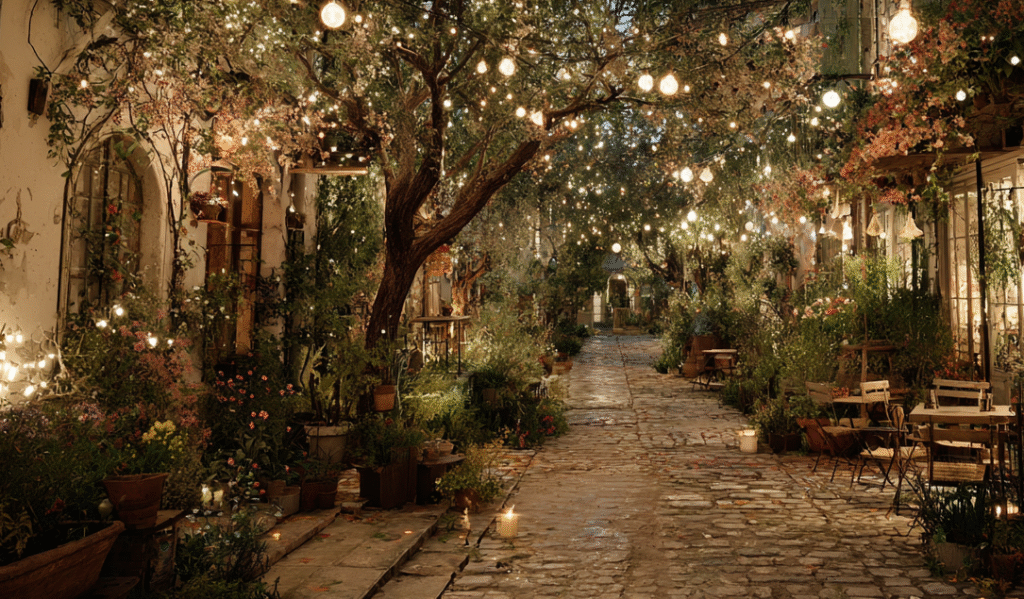
By studying the nature of cold light, its chemistry, function, and systems, we unlock a future where our own industrial processes move toward effortless, elegant efficiency. The biggest strategic advantage might be found in nature’s simplest materials.
The Mimétique Code in Motion: Watch our deep dive into nature’s cold light innovation, now visualized by Notebook LM.
Disclaimer: This content is for informational and educational purposes only and reflects conceptual analysis, not professional engineering or financial advice.
Leave a Reply