Category: The Lab
-
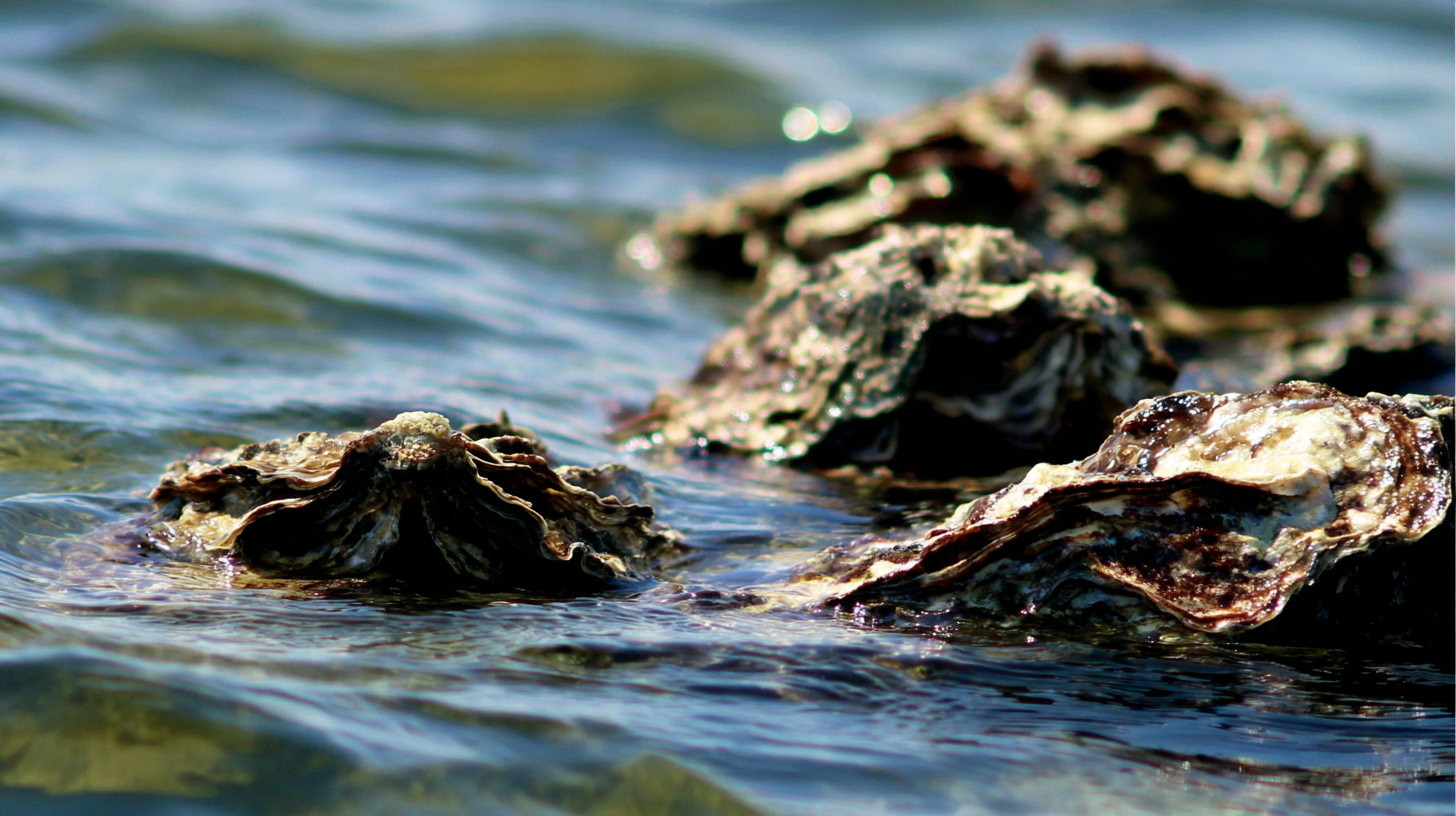
The tiny titans of tomorrow: what my oyster friend taught me about clean water
Honestly, I used to think the biggest, coolest innovations came from humans in lab coats. I was wrong. Our planet? It’s already the ultimate design firm, and bioengineering? We’re just the students taking notes! My curiosity led me to ask a crazy question: What if the solution to our biggest global challenges, like clean water, was…
-
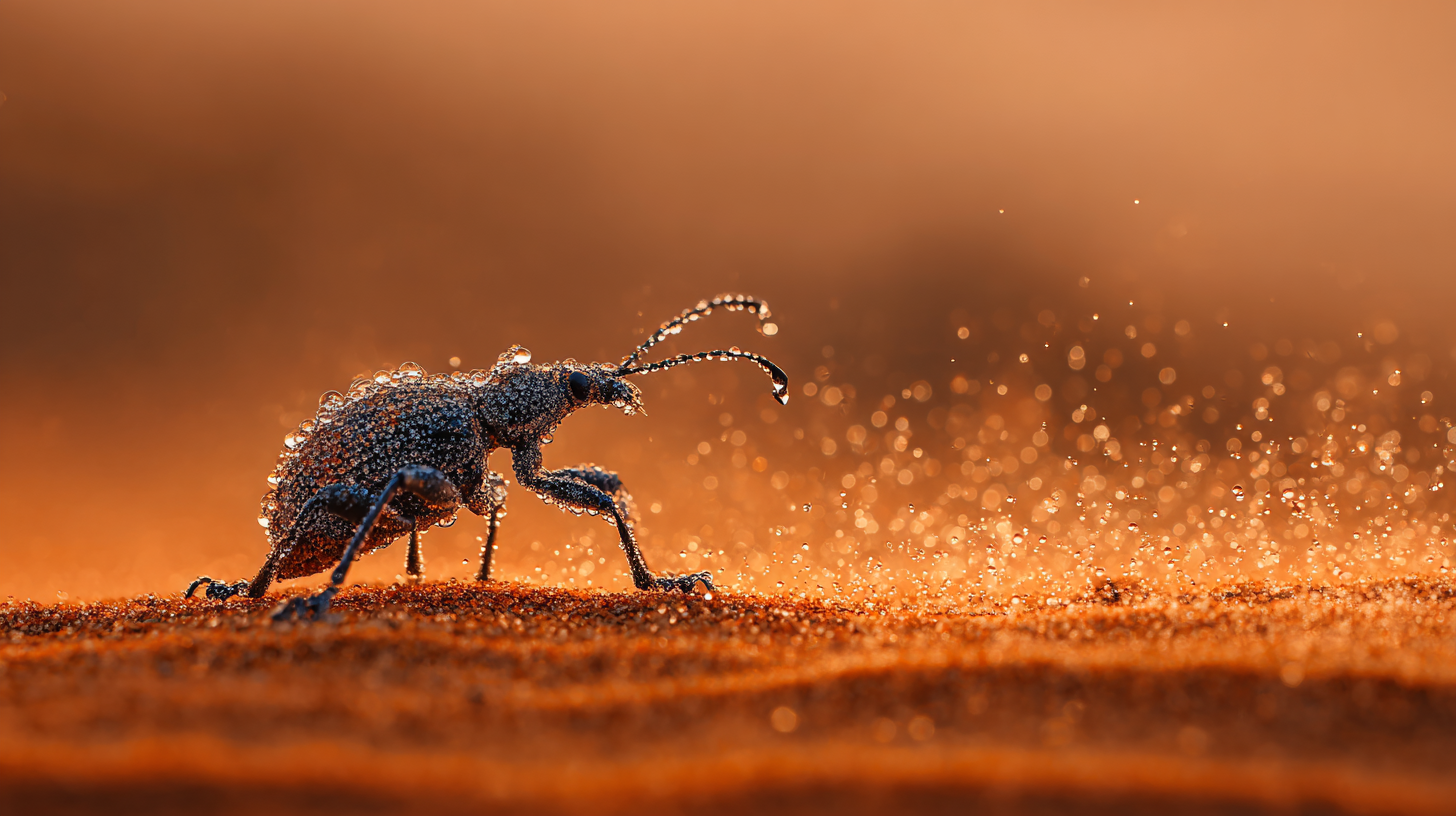
A resilient future: lessons from the desert
The Tiny Genius: Desert Beetles and the Secret of Drinking Air The Question That Started It All Have you ever looked at a creature and just thought, “Wait, how does that work?” That’s me, every time I see a picture of the Namib Desert. It’s one of the harshest places on Earth. Nothing survives without a genius-level…
-

Bioluminescence: nature’s cold light innovation
What if the future of lighting wasn’t about bulbs, but about biology? Prepare to be amazed by the ultimate “cold light” innovation that living creatures have been perfecting for millions of years. Now, this is far more than pretty lights. Instead, we are unlocking nature’s profound genius. We are discovering how organisms produce their own…
-

Nature’s origami: the Ladybug’s fold and the mandate for deployable structures
How do you solve for two impossible demands at once? The Ladybug holds the key. We will look at a fascinating approach inspired by ladybug folding biomimicry. This insect is a masterclass in complexity with zero power. It needs wings that are rigid enough to fly but pliable enough for compact storage, this all without motors or complex hardware.…
-

Why we still can’t replicate the spider’s water-resistant glue?
The adhesion failure: the impossible trade-off 🕸️ The Problem When it comes to adhesives, we currently face an impossible choice. You get something that can stick, even your fingers! or you get sustainability, but you almost never can find both. And the typical chemical adhesives we rely on? They are fundamentally flawed! They are rigid,…
-

The architecture of calm: why biomimicry makes you happier
This whole concept is about engineering environments that genuinely work with human nature, instead of constantly fighting against it. We are actually wired to feel secure under certain specific conditions. Evolution has spent millions of years perfecting these biological blueprints. When our engineered world finally mirrors those ancient designs, the results are truly profound. We…
-

The Lotus Protocol: decoding self-cleaning surfaces for zero-maintenance design
The core strategic argument is beautifully simple. Leaves like the lotus achieve incredible functionality, like self-cleaning and water collection, because they do it passively. In fact, this principle is an excellent example of zero-maintenance surface design. Therefore, they don’t need active energy or harsh chemicals; instead, it’s all done with micro- and nano-scale surface texture. I. The strategic mandate for zero-maintenance surfaces…
-

Exploring the Gecko’s Grip: Nature’s Solution for Reversible Fastening
Traditional adhesives are too rigid, because they snap when the temperature changes. Worse, they can even fight against disassembly, making recycling and repair impossible! This is where the concept of Gecko Adhesion in the Circular Economy comes into play, offering a flexible and sustainable alternative. However, the gecko offers a conceptual leap. It uses millions…
-

Mimétique Code: zero-energy biomimetic water filtration
Industrial water filtration is currently an OpEx drain. This case study details the two-stage Mimétique Code solution: fusing Aquaporin selectivity with Manta Ray fluid dynamics to create a Passive Flow Architecture. The mandate: reduce energy consumption by up to 80% and maximize membrane lifespan for total supply chain resilience.
-
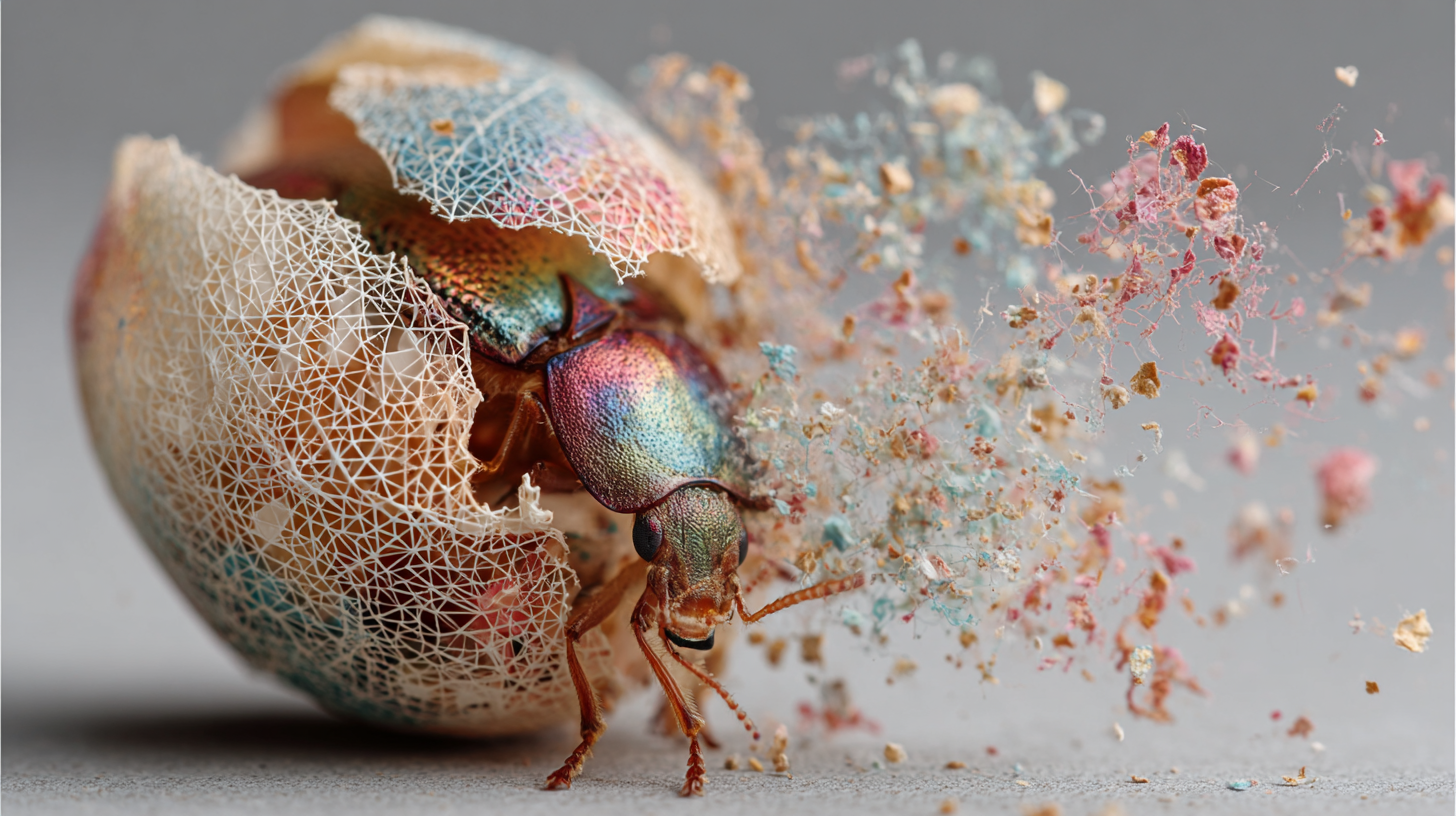
Nature’s Composite: a next step for sustainable packaging?
Current sustainable packaging is failing the structural test, driving up waste and shipping costs. This brief decodes the Beetle’s Chiral Layering System to engineer ultra-light, high-strength, mono-material composites, proving that zero-waste packaging must be an engineering problem, not just a material choice.