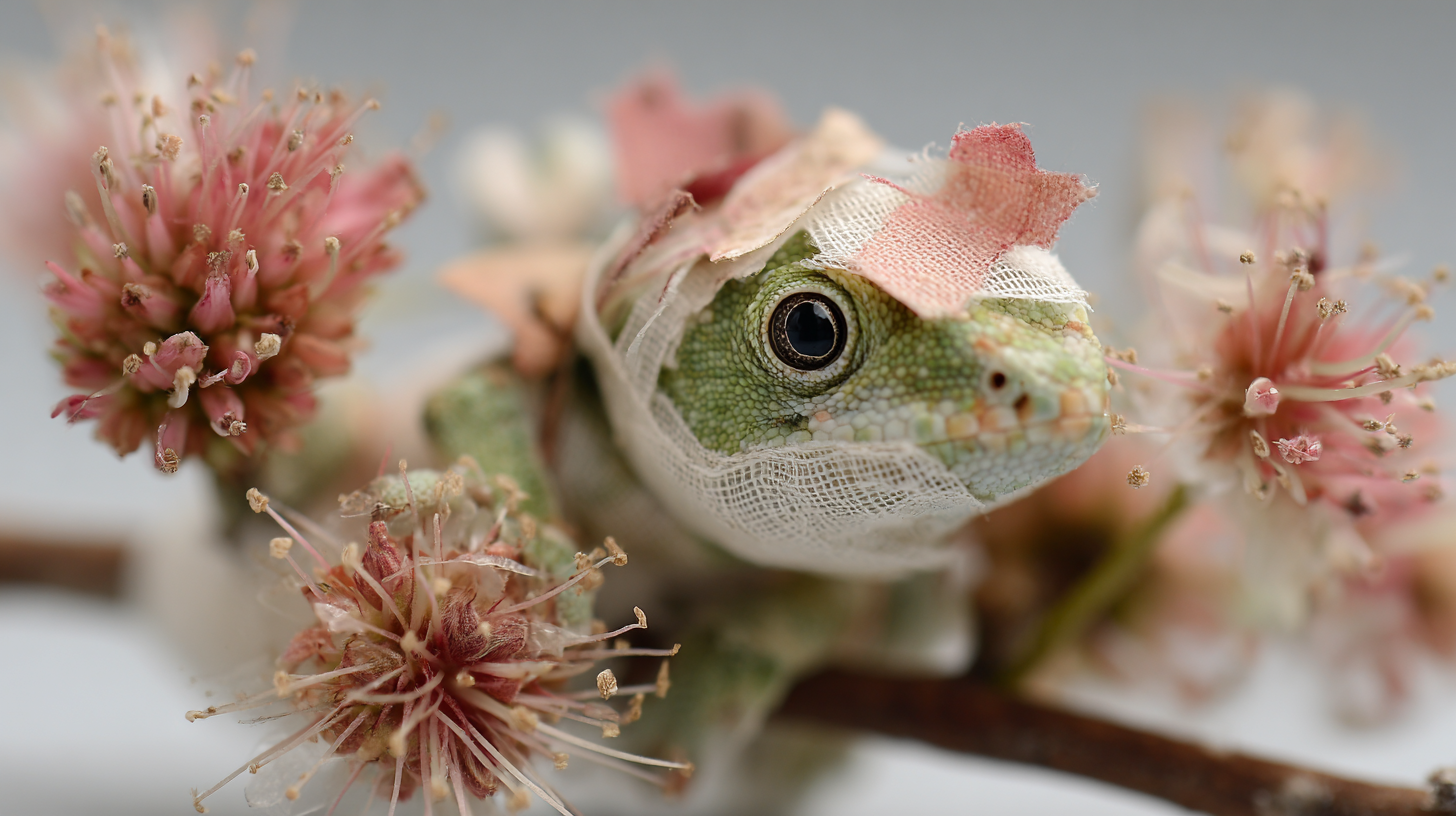
Traditional adhesives are too rigid, because they snap when the temperature changes. Worse, they can even fight against disassembly, making recycling and repair impossible! This is where the concept of Gecko Adhesion in the Circular Economy comes into play, offering a flexible and sustainable alternative.
However, the gecko offers a conceptual leap. It uses millions of tiny setae for an instant, molecular grip and no messy chemicals required! Its strength comes entirely from the foot’s structure, making the adhesion reversible, residue-free, and non-destructive. This approach aligns with principles important in gecko adhesion, supporting a circular economy vision.
This inspires the Reversible Fastener idea. We can finally design products meant to be taken apart. This commitment unlocks true recyclability and fulfills our ethical obligation for Regenerative Compliance.
The dialogue is in motion. We are excited to share this exclusive clip about our Gecko’s Grip exploration. Hear the conversation that is shaping the next wave of bio-innovation related to sustainability and gecko adhesion circular economy!
1- The Fastener Failure: Hidden Costs of Adhesion
The Gecko’s mechanism is fascinating when we look at it from the perspective of Biomimicry.
Why do we need this kind of inspiration? Because our existing, traditional adhesives are a problem, creating significant challenges concerning waste and the product lifecycle. These adhesives are unreliable, failing the moment temperatures shift, because traditional adhesives are too rigid. Also they don’t expand or contract with the materials they are holding, so when the environment changes, that chemical bond just snaps. They can also leave behind toxic residue. They also actively destroy the host material when we try to take things apart, making basic tasks like repair and recycling impossible.
As a result, the industry has to choose between a permanent bond that cannot be recycled or a temporary fix that is weak and unreliable. Also long term costs are underestimated, such as maintenance labor and the sheer amount of product lifecycle waste these permanent glues generate.
If we want to achieve true circularity by Design, we need to be designing products specifically for disassembly. The biggest hurdle is this: our current adhesives are actively fighting against that crucial design goal. Incorporating gecko adhesion principles could significantly advance the circular economy framework we are striving for.
II. The Mimétique Code: Micro-Scale Engagement
The gecko sticks to a wall in a quite impressive way, and we could learn from it. Apparently, their feet use millions of tiny hairs (called setae) to create this incredible, instant connection at the molecular level, thanks to what they call Van der Waals forces. This kind of adhesion can transform strategies within a circular economy framework.

The stickiness of it all is pressure sensitive and also reversible (so it does not leave chemicals or residue). Its strength comes from the shape of the foot, not from a permanent bond, which gives it this great engineering advantage: it seems both structural and geometric.
This concept is quite inspiring for the design community, as a it a huge conceptual leap for fasteners. It means we could finally design products that are actually meant to be taken apart, because the Gecko-inspired-adhesive is strong when you need it to be, but it can be undone instantly and non-destructively.
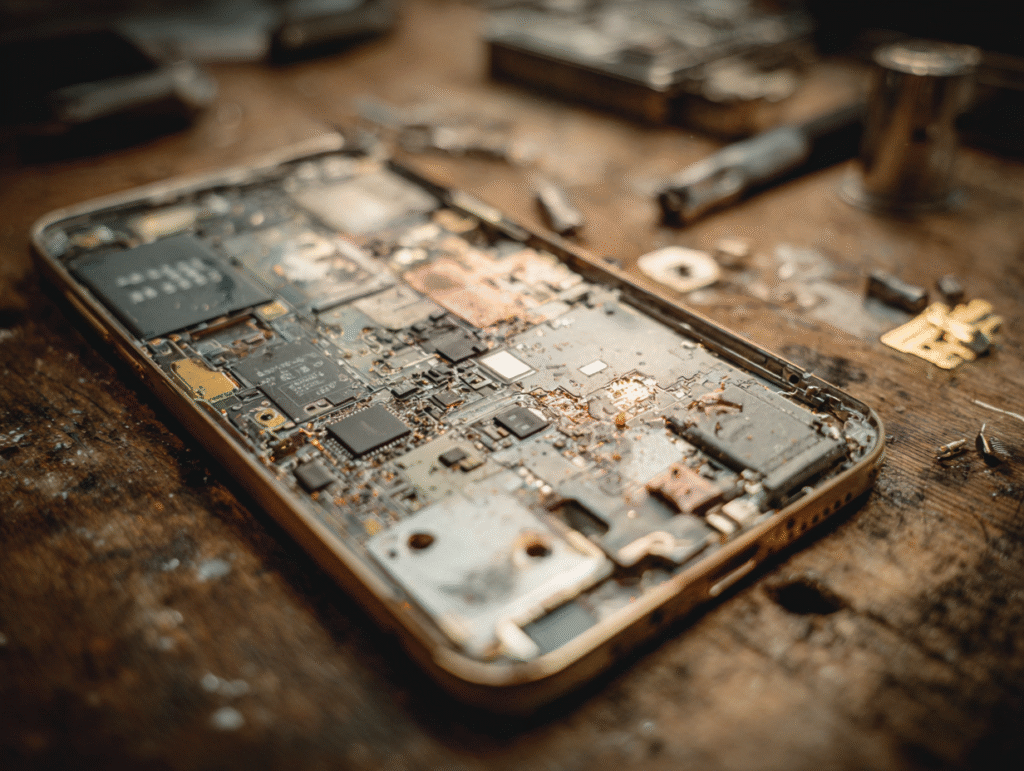
So if designers had access to a reversible fastener like that, they could finally create products that are intended to be taken apart easily. An hypothetical example: when the battery dies on your phone, you would not have to melt it out with heat and chemicals, you could simply release the gecko-adhesion on the back panel and swap it out. This aligns remarkably well with the principles of a circular economy.
III. The Design Translation: The Reversible Fastener Mandate
This isn’t just about a better adhesive or glue, it is quite fundamental! This idea inspires us to move away from chemical bonds that destroy materials and invites us to shift toward structural design where products are actually meant to come apart. Such improvements in gecko adhesion technology support the circular economy objectives.
Designers now have awesome bio-tools to play with!
- A bit like the Velcro’s principle is perfect for heavy duty, repeated fastening. Snap it on, snap it off, thousands of times.
- The Gecko’s adhesive is quite possibly a game-changer for sensitive surfaces, like mounting electronics, because it leaves zero residue.
The next challenge for innovation is figuring out these micro-scale geometries into bio-polymers and composite substrates during the printing process, further paving the way for a gecko adhesion supported circular economy.
IV. The Strategic Advantage: Maximizing Lifecycle Value
For me, this is about building products with integrity. When we give customers the power to upgrade or repair their purchase, we are showing them that we value their investment, which is fantastic for both the brand and also customer satisfaction. And, having a way to cleanly and quickly separate materials is the key to unlocking true recyclability, which is called Regenerative Compliance, our ethical obligation to the planet! Ultimately, incorporating gecko adhesion principles could support circular economy initiatives effectively.
The Mimétique Code in Motion: Watch our deep dive into the Gecko’s Grip!
Disclaimer: This content is for informational and educational purposes only and reflects conceptual analysis, not professional engineering or financial advice.
Leave a Reply