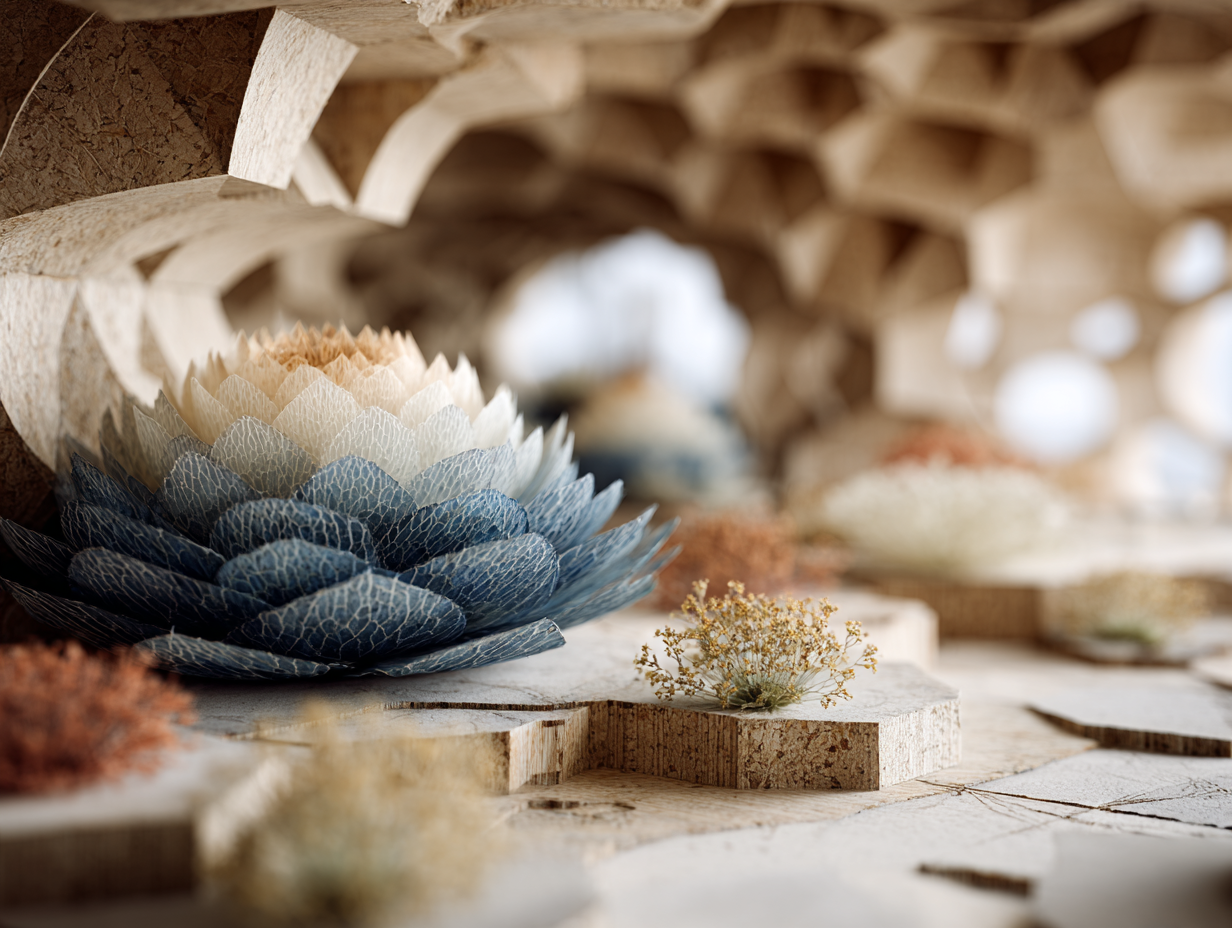
The core strategic argument is beautifully simple. Leaves like the lotus achieve incredible functionality, like self-cleaning and water collection, because they do it passively. In fact, this principle is an excellent example of zero-maintenance surface design. Therefore, they don’t need active energy or harsh chemicals; instead, it’s all done with micro- and nano-scale surface texture.

I. The strategic mandate for zero-maintenance surfaces
The challenge is universal. Think about keeping anything functional in harsh environments like solar panels, city facades, sensitive medical instruments. How do we keep them clean?

Our current solutions seems to be failing and they’re expensive.
This failure seems costly. Why? It requires continuous manual cleaning and maintenance. It also creates a huge environmental impact. Think of the water waste and chemical runoff. Furthermore, simple dust and grime directly degrade performance. For instance, dirty surfaces could be drop your solar panel output.
Nature shows us we’re fighting a battle that can be solved with intelligent, yet passive design.
II. The Mimétique Code: the Lotus Effect
The solution to potentially costly maintenance? It isn’t found in chemicals. It’s in surface geometry.

We adopt the Mimétique Code by studying the world’s most elegant mechanism: the Lotus Effect. This is a masterclass in passive design! The lotus leaf achieves its pristine quality without expending any energy at all.
The biological strategy: superhydrophobic topography
The secret is not a magical coating. It’s a unique hierarchical surface topography. The leaf is perfectly designed at two different scales:
- Micro-texture (the bumps): The leaf is covered in microscopic papillae. These immediately reduce the contact area for any liquid.
- Nano-texture (the spikes): These larger bumps are covered in even finer, nano-sized wax crystals.
The Physics: trapping air, not water
The core mechanism is brilliant geometry.
Consequently, this dual-scale roughness creates a permanent air cushion between the water and the leaf. Because of this, the water sits almost entirely on top of this trapped air layer. This action, in turn, forces the water into a perfect spherical shape. In short, this is superhydrophobicity, a form of extreme water repellency, achieved entirely by design.
The cleanse is the elegant result. When the droplet rolls, even from a slight breeze, it maintains extremely low adhesion. Doing so, it picks up every particle of dirt, carrying it away cleanly. This is a passive, zero-energy cleaning system.
This principle changes everything. It tells us that surface design might be the cheapest and most efficient maintenance plan possible. It mandates that designers must achieve functionality passively, thereby eliminating ongoing operational costs entirely.

III. Designing for passivity
The strategic challenge is immense. Why? We must replicate the two-tiered geometric perfection of the Lotus Effect. This isn’t on a single leaf. It needs to span acres of industrial material. We face several critical hurdles. We must guarantee success reliably. It must be achieved affordably. And most critically, it must be viable at industrial scale.
So, the industrial solution is quite elegant: we must create the necessary air cushion through engineered roughness. This eliminates relying on chemical coatings entirely. This mandate requires two integrated manufacturing steps:
Macro-Texture Foundation (the bumps)
First, we lay the foundation. This means creating the microscopic bumps (papillae) right on the substrate. We achieve this with advanced techniques like laser ablation or chemical etching. This process physically roughens the base material’s surface.
Nano-Texture Application (the spikes)
Next, the finer layer becomes critical. This layer is applied using nanoparticle self-assembly or low-pressure plasma deposition. This addition traps the air and guarantees maximum water repellency.
Strategic Goal: Passive Functionality
The goal of this design mandate is passive functionality.
We hypothetically eliminate the need for costly active cleaning systems. Instead, we bake the cleaning mechanism right into the material’s geometry. This approach ensures that structures like commercial facades, solar arrays, and high-performance textiles, maintain near-perfect operational efficiency with zero cleaning cost and zero chemical usage.
The mandate is clear: Functionality must be structural, not chemical! This principle is the future of sustainable industrial design.
Disclaimer: This content is for informational and educational purposes only and reflects conceptual analysis, not professional engineering or financial advice.
The Mimétique Code in Motion: Watch our deep dive into the Lotus Protocol strategic brief, now visualized by Notebook LM.
Leave a Reply